Your home’s plumbing system is the network of pipes, valves, drains, and fixtures that supply clean water and remove wastewater. Even though most of it stays hidden behind walls and under floors, understanding how it works can help you spot issues early, avoid major repairs, and keep everything running smoothly.
All Masters Plumbing is a trusted commercial and residential plumber providing recommendations on drain and pipe maintenance and signs when it is time to schedule drain cleaning or plumbing service. Whether you’re a new homeowner or just want to take better care of your house, knowing the basics can make a big difference. And for those unexpected moments when you need help beyond DIY care, our licensed team is available 24/7 to handle inspections and plumbing repairs.
Plumbing Maintenance in DFW Homes: Signs It’s Time for Cleaning or Repair
What Is a Home Plumbing System?
Most residential plumbing systems consist of three main parts: the water supply lines, the drainage system, and the venting system. These parts work together to bring clean water in, move wastewater out, and keep pressure balanced.
- Water supply lines bring in clean, pressurized water from a municipal source or a private well.
- Drainage systems rely on gravity to carry wastewater down and out of the home.
- Venting & Filtration systems allow air to enter the pipes so drains can flow freely and sewer gases stay out of the house.
Which Water Sources Supply Your DFW Home
Municipal Water Supply
DFW homes that rely on municipal water receive treated water through underground supply lines.
Well Water Supply
Houses with well water use pumps and treatment equipment to deliver water indoors. Wastewater disposal also varies: homes may connect to a municipal sewer line, while rural homes often use a septic system that treats waste on-site.
How Does a Plumbing System Work?
Core Components of a Home Plumbing System
- Water supply lines
- Drain-waste-vent (DWV) system
- Plumbing fixtures (sinks, showers, toilets, appliances)
- Valves, regulators, and controls
- Pumps (ejector, sump, booster)
- Water meter
- Backflow preventers
How Water Enters & Leaves the Home
Water first passes through a water meter and main shut-off valve, which allows you to stop water flow during emergencies. A pressure regulator may be installed to maintain safe pressure for appliances and fixtures.
Once inside, water lines branch to supply cold and hot water throughout the house. After use, gravity takes over—wastewater flows downward through sloped drainpipes and exits through a sewer connection or into a septic tank.
Backflow Prevention
Backflow occurs when contaminated water reverses direction and flows into the clean water supply. This can happen during pressure drops, posing a safety concern.
Common types of backflow preventers include:
- Atmospheric vacuum breakers
- Pressure vacuum breakers
- Double-check valves
- Reduced pressure zone (RPZ) devices
Homes with irrigation systems, hose bibs, or sprinkler systems often require backflow protection to keep drinking water safe.
Types of Plumbing Systems in a Home
Water Supply System
The water supply system delivers clean water into your home under pressure. Cold water enters first, and part of it flows to the water heater before returning as hot water through separate lines. Good water pressure helps fixtures run smoothly, while issues like corrosion, leaks, or mineral buildup can cause pressure drops.
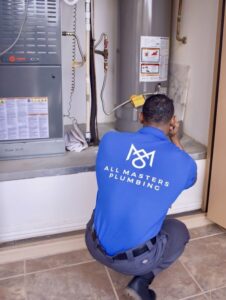
Pro tip: All Masters Plumbers offers annual water heater maintenance programs to keep this essential home appliance running reliably for as long as possible.
Signs Your Sewer Line May Have Problems
| Sign | What It May Mean | Why It Matters |
|---|---|---|
| Multiple drains backing up | Main sewer line blockage | Indicates a larger plumbing system issue |
| Sewage smell in yard or home | Cracked or leaking sewer pipe | Can lead to health hazards and property damage |
| Wet spots in the yard | Underground pipe leak | May indicate a broken sewer line |
| Unusually green patches of grass | Sewer leak fertilizing the soil | Often a hidden pipe break underground |
Drain-Waste-Vent (DWV) System
The DWV system removes wastewater safely and prevents sewer gases from entering your home.
It includes:
- Drainpipes that carry waste downward
- Waste lines that connect to sewer lines
- Vent pipes that allow air in, preventing slow drains and gurgling sounds
Signs of venting issues include bubbling drains, sewer odors, or frequent clogs.
Plumbing Fixtures
Fixtures such as sinks, toilets, showers, tubs, dishwashers, and washing machines all tie into both the water supply lines and the DWV system. Each fixture uses its own shut-off valves and traps to manage water flow and prevent sewer gas leakage.
Stormwater Drainage
Stormwater systems manage rain runoff, not wastewater. Components include gutters, downspouts, and yard drains. Stormwater must never connect to the DWV system, as this can overwhelm sewer lines. Proper grading around the home also helps direct water away from the foundation.
Plumbing Pipes: Materials & Uses
Common Pipe Materials
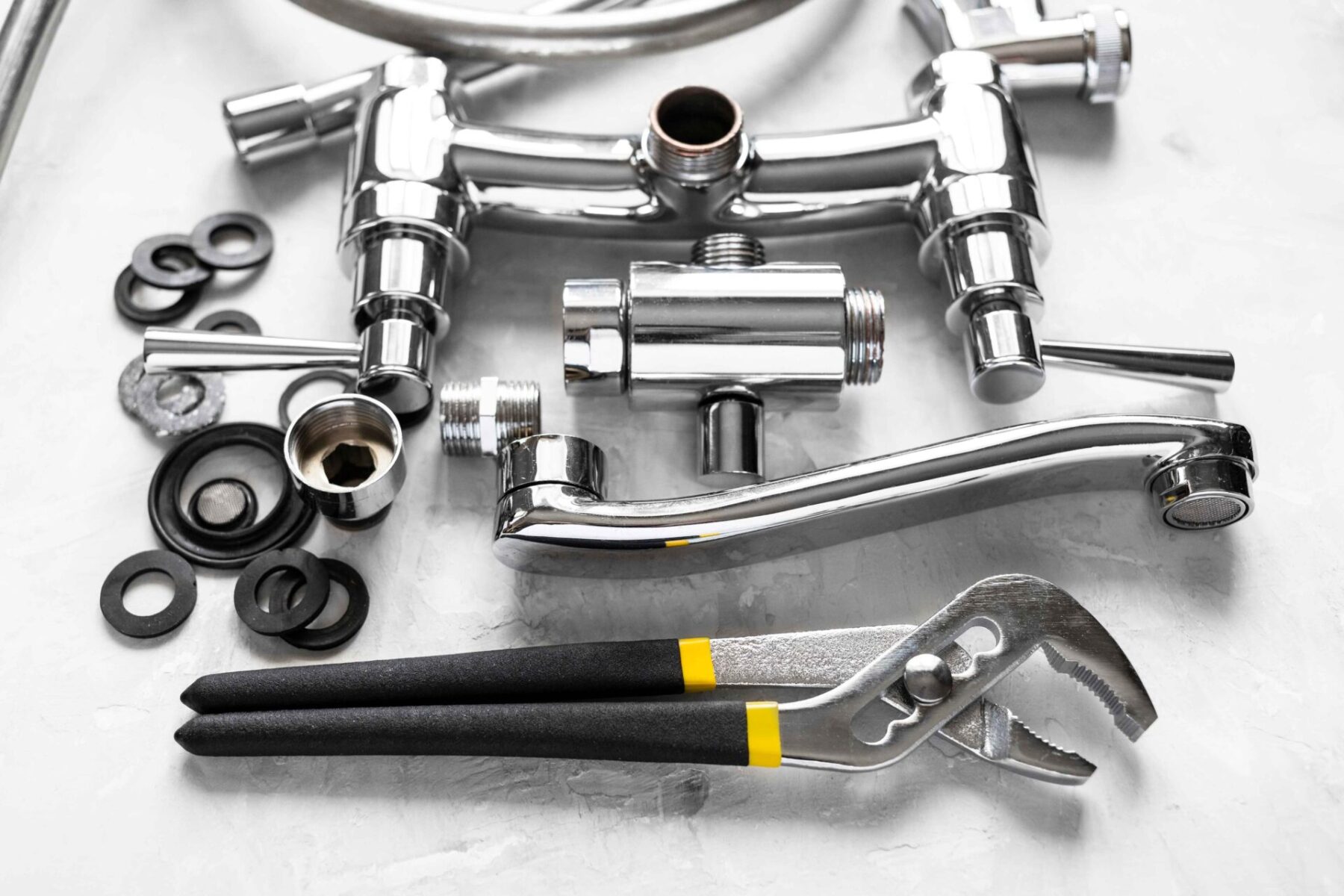
The different types of plumbing pipes in homes are constructed with materials best suited to their purpose:
- PVC – Lightweight, inexpensive, and commonly used for drain lines. It doesn’t corrode and is easy to install.
- PEX – Flexible supply piping that resists freezing, installs quickly, and works well in remodels.
- Copper – Durable and long-lasting, often used for supply lines because it resists corrosion and handles high heat.
- Galvanized steel – Found mainly in older homes. These pipes corrode over time, which can cause rust-colored water and low pressure.
Choosing the Right Pipe for the Job
Each pipe type has benefits and limitations. PVC is affordable but unsuitable for hot water. PEX is versatile but may not be ideal in areas with high UV exposure. Copper is reliable but more expensive, and galvanized steel may need replacement due to age.
If you’re stuck choosing between PEX vs. copper pipes, for example, consider:
- Cost
- Lifespan
- Safety and corrosion resistance
- Local building codes
How Drains & Waste Lines Work
Gravity-Based Drainage
Most residential drainage depends on gravity. Pipes are installed at a slight downward pitch so wastewater can flow away from the home. If pipes lose their slope due to settling soil, aging materials, or improper installation, drains may slow down, gurgle, or stop working altogether.
Traps and Cleanouts
Traps such as P-traps and S-traps hold a small amount of water to block sewer gases from entering the home. Main line cleanouts provide access points for maintenance crews to clear clogs or inspect lines, especially during major sewer line problems or backups.
For more advanced issues, professionals may recommend scheduling sewer line repair & replacement service.
Common Drain and Sewer Issues
Some of the most common home drainage system problems include:
- Slow drains from soap scum, grease, or hair buildup
- Clogged drains that affect sinks, tubs, or toilets
- Sewer line backups caused by tree roots, collapsed pipes, or blockages
Signs Your Drains Need Cleaning
| Sign | What It May Mean | When to Call a Plumber |
|---|---|---|
| Slow draining sinks or tubs | Buildup of grease, soap, hair, or debris in the pipes | When multiple drains are slow or the problem keeps returning |
| Gurgling sounds in drains | Air trapped in the pipes from partial blockages | If the sound happens frequently or after flushing toilets |
| Frequent clogs | Debris buildup deeper in the drain line | When plunging or DIY cleaning no longer solves the issue |
| Foul odors from drains | Organic buildup or bacteria inside the pipes | If odors persist even after cleaning the drain |
If drains repeatedly clog or emit foul odors, a specialist may recommend a more thorough inspection of the drain-waste-vent system.
Essential Plumbing Maintenance Tips
A little plumbing maintenance can go a long way in preventing leaks, clogs, and breakdowns. This section helps homeowners stay ahead of problems and reduce the risk of emergency repairs.
Preventive Care
Regular plumbing inspections help spot minor issues early. Homeowners should check for leaks, monitor water pressure, and schedule seasonal tasks, such as winterizing outdoor spigots. Staying proactive makes it easier to prevent plumbing leaks and avoid bigger problems later.
Drain Care
To protect your drains, avoid pouring grease, coffee grounds, wipes, or large amounts of hair down the drain. Enzyme-based cleaners are safer for pipes than harsh chemical formulas, which can weaken materials and accelerate corrosion. For slow drains and clogs that just won’t go away, All Masters Plumbing offers non-invasive drain cleaning services using advanced camera technology.
Leak Prevention
Regularly inspect joints, shut-off valves, and exposed pipes for moisture and corrosion to prevent plumbing leaks. A sudden increase in your water bill may indicate a hidden leak. If you suspect one, reach out to learn more about our professional leak detection services.
Pumps in Home Plumbing
Sump Pumps
Sump pumps help prevent basement flooding by removing groundwater from a sump pit. Homes in areas with high water tables, heavy rainfall, or basements often need them. Regular testing ensures they run when you need them most.
Sewage Ejector Pumps
These pumps are used for basement bathrooms or fixtures installed below the main sewer line. They lift wastewater to the sewer or septic connection. Warning signs of failure include odors, slow drains, or an alarm on the pump system.
Booster Pumps
Booster pumps improve low water pressure in homes with long supply runs, multiple stories, or weak municipal pressure. They help maintain consistent flow for showers, appliances, and fixtures.
When to Call a Professional Plumber
Some common plumbing problems can be handled with basic tools, but others need a trained expert. Major problems often show up as recurring clogs, low water pressure, sewer odors, water stains, or sudden spikes in your utility bill. DIY repair attempts on complex systems can lead to accidental damage, code violations, or larger leaks.
A licensed plumber can perform detailed diagnostics, camera inspections, and repairs that keep your home safe. If an urgent issue threatens flooding or significant water damage, homeowners should reach out to All Masters Plumbing for emergency plumbing service right away.
Conclusion
A home’s plumbing system works quietly in the background, supplying clean water and removing wastewater around the clock. By understanding how these systems operate—and staying proactive with inspections, drain care, and leak prevention—homeowners can avoid many of the most common plumbing problems.
Regular maintenance and water treatment services help extend the lifespan of your pipes, fixtures, and pumps, giving you peace of mind and fewer surprises.
If a concern ever feels too big to troubleshoot alone, professional plumbers like those at All Masters Plumbing are equipped to help keep your home’s plumbing systems running smoothly.
Frequently Asked Questions
Most experts recommend a professional plumbing inspection every one to two years. Older homes or houses with well water may need more frequent checks.
Slow drains, gurgling pipes, sewer odors, dripping fixtures, and rising water bills are common early signs. These issues can point to leaks, venting problems, or developing clogs.
Low pressure may come from mineral buildup, aging pipe materials, hidden leaks, or problems with the municipal supply. A booster pump may help in some cases.
Rusty water, recurring leaks, pipe corrosion, and low pressure may indicate failing pipes. Homes with galvanized steel lines often need to be upgraded to copper or PEX.
Avoid grease, coffee grounds, wipes, paint, and fibrous foods. These materials cause clogs or damage to pipes over time.
Lifespan varies by material and the care given. PEX typically lasts 30–50 years, copper 50–70+ years, PVC (drains) 50+ years, and galvanized steel 40–60 years.