
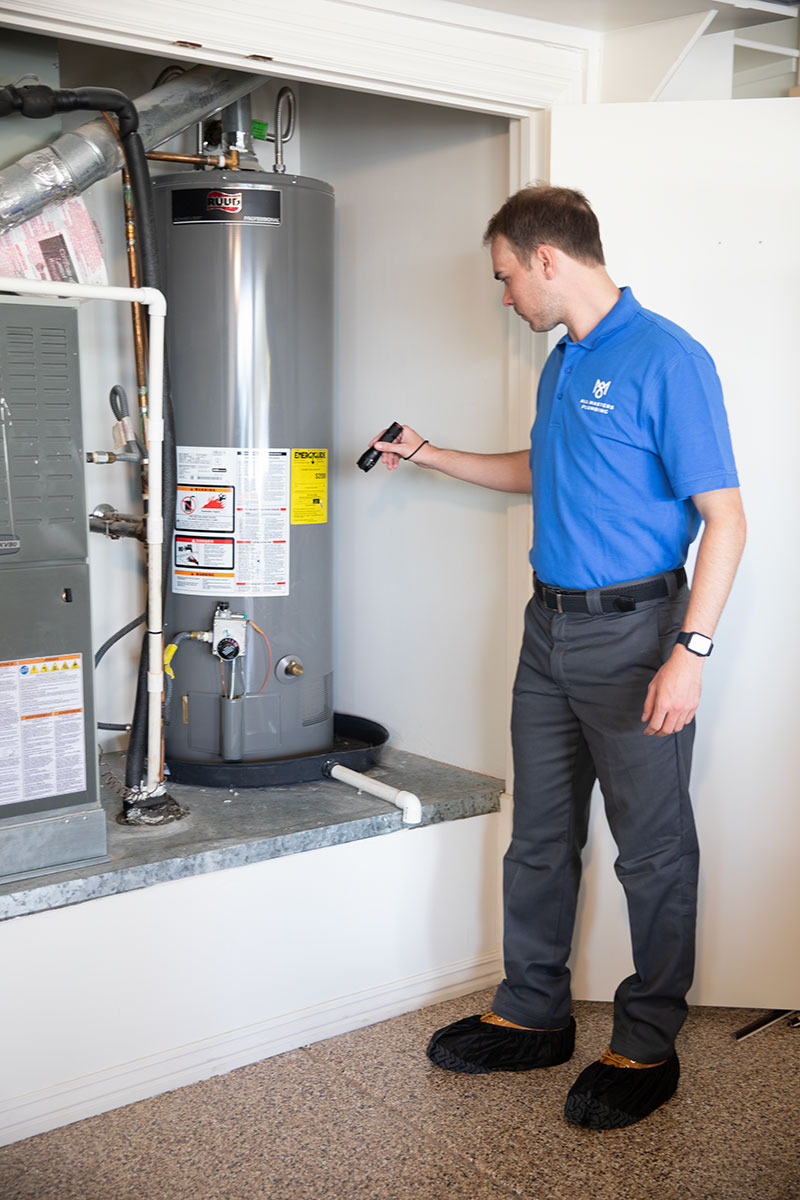
Signs Your Water Heater Needs Maintenance
Imagine waking up to a sudden, chilling blast of cold water during your morning shower. Or perhaps, noticing an inexplicable spike in your monthly utility bill without any change in usage. These situations are surprisingly common and often trace back to one issue: a neglected water heater. In North Texas, where reliable hot water is essential, routine water heater maintenance helps prevent breakdowns, improve efficiency, and extend the life of your system.
• Hot water runs out quickly
• Fluctuating water temperature
• Rumbling or popping noises from the tank
• Rust colored or cloudy hot water
• Low hot water pressure
• Water pooling around the heater
• Rising energy bills
• Hot water takes longer to reach fixtures
Your water heater is arguably one of the hardest-working, yet most overlooked, appliances in your home. It tirelessly heats and stores (or instantly provides) the countless gallons of water you use for everything from washing dishes and doing laundry to those essential comforting showers. Without proper care, this crucial system can quickly become inefficient, prone to breakdowns, and ultimately face premature failure. This comprehensive guide will delve deep into why water heater maintenance is so vital, what it entails for different types of units, how it benefits you, and why choosing professional service is always the best decision for your DFW home.
What Maintenance Does a Water Heater Need?
• Flushing sediment from the tank
• Checking the anode rod for corrosion
• Inspecting the pressure relief valve
• Checking gas or electrical connections
• Inspecting for leaks or corrosion
• Testing thermostat and heating elements
How to Flush Your Water Heater
Flushing a water heater helps remove sediment and keep the system running efficiently. Many homeowners can perform a basic flush with the following steps.
| Step | What to Do | Why It Matters |
|---|---|---|
| 1. Turn off power or gas | Shut off the breaker for electric heaters or set gas heaters to pilot mode | Prevents the heating element or burner from operating while the tank is empty |
| 2. Shut off cold water supply | Close the cold water valve feeding the water heater | Stops new water from entering the tank during draining |
| 3. Attach a hose to the drain valve | Connect a garden hose to the drain valve at the bottom of the tank | Allows water and sediment to drain safely |
| 4. Open a hot water faucet | Turn on a hot water faucet in the home | Releases pressure and helps the tank drain smoothly |
| 5. Drain the tank | Open the drain valve and allow water to flow out | Removes sediment buildup from the bottom of the tank |
| 6. Flush remaining sediment | Briefly turn the cold water supply back on | Helps push out remaining sediment inside the tank |
| 7. Close the valve and refill | Close the drain valve and turn the water supply back on | Refills the tank with clean water |
| 8. Restore power or gas | Turn the heater back on once the tank is full | Allows the water heater to resume heating safely |
Important
If the drain valve is clogged, the water heater is older, or sediment buildup is severe, professional flushing may be recommended to prevent damage to the system.
How Often Should You Flush Your Tank Water Heater?
We at All Masters Plumbing, recommends flushing a tank water heater once per year to remove sediment that settles at the bottom of the tank. In areas with harder water, flushing may be recommended every 6 to 8 months to prevent buildup that can reduce efficiency and damage the tank.
Over time, minerals like calcium and magnesium settle inside the tank and create sediment. This buildup can cause rumbling noises, reduced heating efficiency, and shorter water heater lifespan if not removed regularly.
Flushing Frequency Based on Condition of the Water Heater
| Home Condition | Recommended Flushing Frequency |
|---|---|
| Standard water conditions | Once per year |
| Hard water areas | Every 6 to 8 months |
| Older water heaters | Every 6 months |
| Homes with high water usage | Every 6 to 12 months |
Do You Flush Tankless Water Heaters?
Yes, tankless water heaters also require maintenance, but instead of draining sediment from a tank, plumbers flush the system with a descaling solution to remove mineral buildup inside the heat exchanger.
Mineral deposits from hard water can build up inside the small internal passages of a tankless unit. Over time this can reduce efficiency, restrict water flow, and shorten the lifespan of the system.
Tank vs Tankless Water Heater Maintenance
| Water Heater Type | Maintenance Process | Why It’s Needed | Recommended Frequency |
|---|---|---|---|
| Tank water heater | Drain and flush sediment from the tank | Removes mineral buildup that settles at the bottom | Once per year |
| Tankless water heater | Circulate descaling solution through the system | Removes mineral scale inside the heat exchanger | Once per year (more often in hard water areas) |
Signs Your Tankless Water Heater Needs Flushing
• Reduced hot water flow
• Fluctuating water temperature
• Error codes on the unit
• Longer time to heat water
• Higher energy usage
Do You Need to Regularly Maintain Your Water Heater?
Many homeowners tend to fall into the trap of “out of sight, out of mind” when it comes to their water heater. It’s often tucked away in a closet, basement, or garage, silently performing its duties until a problem forces it into the spotlight. However, neglecting routine water heater maintenance is a costly oversight that can lead to a myriad of undesirable and expensive consequences.
Let’s explore the compounding issues that arise when water heater maintenance is put on the back burner:
- Drastically Reduced Energy Efficiency and Soaring Utility Bills: This is one of the most immediate and tangible impacts. In tank-style water heaters, hard minerals present in your Dallas or Arlington water supply (calcium, magnesium) settle at the bottom of the tank, forming a layer of sediment. This sediment acts as an insulator, creating a barrier between the heating element or burner and the water. The water heater then has to work much harder and longer to transfer heat to the water, consuming significantly more energy. For tankless units, these minerals can accumulate as scale within the intricate heat exchanger, impeding heat transfer and reducing the unit’s ability to efficiently provide hot water. This inefficiency directly translates to higher energy bills, silently draining your wallet month after month.
- Increased Frequency and Severity of Breakdowns: Small, unaddressed issues like minor corrosion, worn-out components, or pilot light inconsistencies can escalate into major failures. Regular water heater maintenance allows trained technicians to identify and rectify these minor problems proactively, before they cause a complete system shutdown. Without this preventive care, you’re far more likely to experience sudden, inconvenient, and often more expensive emergency repairs.
- Significantly Shortened Lifespan: A typical tank-style water heater is designed to last 10-15 years, while tankless units can reach 20 years or more. However, these lifespans are heavily dependent on consistent maintenance. Sediment buildup can lead to localized overheating, compromising the integrity of the tank liner and leading to cracks and leaks. Neglected anode rods allow tank corrosion. All of these factors accelerate the wear and tear on your unit, forcing you to face the substantial expense of a full water heater replacement much sooner than necessary. Regular water heater maintenance can add years, even decades, to your unit’s life.
- Compromised Safety Risks: Water heaters operate with high temperatures, immense pressure, and for gas models, a direct connection to your home’s gas supply. Issues with components like the temperature and pressure (T&P) relief valve can lead to dangerous pressure buildup. Gas leaks, faulty ignition systems, or incomplete combustion can result in carbon monoxide exposure, a silent and deadly threat. Professional water heater maintenance includes vital safety checks that protect your family and your home.
- Voided Manufacturer Warranties: Many water heater manufacturers, both for tank and tankless models, include clauses in their warranties that require periodic professional maintenance. Skipping these recommended services could void your warranty, leaving you entirely responsible for the cost of future repairs or replacement, even if the unit is still relatively new. This financial risk alone makes water heater maintenance a sound investment.
- Decreased Water Quality: Sediment, rust, and even bacterial growth (especially if your water heater temperature is set too low) can lead to discolored, cloudy, or foul-smelling hot water. This impacts everything from your morning shower experience to the cleanliness of your laundry and dishes. Regular flushing and inspections, a core part of water heater maintenance, help ensure clean, clear hot water.
Understanding Key Maintenance Needs for Your Water Heater: A Deep Dive
The specific procedures for water heater maintenance differ between the two primary types of residential water heaters: traditional tank models and modern tankless units. Our professional service in Dallas and Arlington is equipped to handle both with expert precision.
Comprehensive Maintenance for Traditional Tank Water Heaters
Tank water heaters store a reservoir of hot water, which is then replenished as hot water is used. Their maintenance focuses heavily on addressing issues related to this storage.
- Flushing the Tank (Sediment Removal): The Cornerstone of Tank Water Heater Maintenance
- The Problem: As cold water enters the tank to be heated, it brings with it dissolved minerals (calcium, magnesium, lime) naturally found in the municipal water supply (common in Dallas and Arlington). Over time, these minerals precipitate out of the water and settle at the bottom of the tank, forming a hard, insulating layer of sediment.
- The Impact: This sediment significantly reduces heating efficiency because the burner or heating element has to heat through this layer before reaching the water. It can also cause noisy operation (popping, rumbling, or banging sounds as trapped water boils under the sediment), lead to localized overheating and scorching of the tank liner, and accelerate corrosion, particularly around the heating elements and the bottom of the tank. A tank full of sediment has less capacity for hot water, too.
- The Solution: Professional flushing involves connecting a hose to the drain valve at the bottom of the tank, then carefully opening the valve to allow water and sediment to exit. Our technicians ensure the unit is safely shut down (gas valve off, electricity off) and that hot water faucets are opened in the house to release pressure and allow proper draining. We often perform a “flush-and-fill” cycle multiple times, allowing fresh water to agitate and dislodge more sediment before draining again, until the water runs clear. This restores heating efficiency, reduces noise, and protects the tank’s integrity.
- Inspecting and Replacing the Anode Rod: The Tank’s Guardian
- The Problem: The inside of a steel water heater tank is lined, but tiny imperfections or cracks can expose the steel to water. Water is inherently corrosive to steel. To prevent the tank from rusting prematurely, a sacrificial anode rod is installed inside the tank. Made of a more reactive metal (usually magnesium, aluminum, or zinc), this rod “sacrifices” itself by attracting corrosive elements in the water through an electrochemical process, corroding instead of the tank’s steel lining.
- The Impact: Over time, the anode rod is consumed. Once it’s significantly corroded (typically 50% or more), it can no longer protect the tank, leaving your water heater vulnerable to rust and leaks. In Dallas and Arlington, water quality can impact the rate of anode rod depletion.
- The Solution: During water heater maintenance, our plumbers carefully remove the anode rod for inspection. If it’s heavily pitted, thin, or largely consumed, it’s promptly replaced with a new one. This critical step can dramatically extend the life of your water heater tank by several years.
- Testing the Temperature and Pressure (T&P) Relief Valve: A Vital Safety Feature
- The Problem: The T&P relief valve is a crucial safety device designed to prevent catastrophic explosions. If the temperature or pressure inside the water heater tank exceeds safe limits, this valve automatically opens to release hot water and steam, thereby relieving the pressure.
- The Impact: If the T&P valve is faulty, stuck, or corroded, it may not open when needed, leading to dangerously high pressure buildup. This can result in a ruptured tank or, in extreme cases, a violent explosion. Alternatively, a faulty valve might leak constantly, wasting water and increasing your utility bills.
- The Solution: During water heater maintenance, our technicians carefully test the T&P valve by lifting its lever. Water should flow out of the discharge pipe, then stop cleanly when the lever is released. If it leaks persistently or doesn’t release water, it indicates a fault, and the valve must be replaced immediately.
- Inspecting Heating Elements (Electric) / Pilot Light & Burner Assembly (Gas)
- The Problem: For electric water heaters, the heating elements can accumulate mineral deposits, reducing their efficiency. They can also burn out. For gas water heaters, the pilot light can become faulty, the thermocouple can fail, or the burner assembly can become dirty with dust and debris, leading to inefficient combustion or complete failure to ignite.
- The Impact: These issues directly affect the water heater’s ability to produce hot water, leading to insufficient hot water, inconsistent temperatures, or no hot water at all.
- The Solution: Our technicians inspect and clean these components, ensuring they are free from obstruction and operating correctly. For electric units, elements can be tested for continuity. For gas units, proper flame appearance and thermocouple function are verified.
- Checking for Leaks and Connections:
- The Problem: Small leaks can develop over time at water inlet/outlet connections, the drain valve, or even pinholes in the tank itself due to corrosion.
- The Impact: Even a small leak can lead to significant water damage, mold growth, and wasted water. A large leak can flood your home quickly.
- The Solution: A thorough visual inspection of all pipes, valves, and the tank for any signs of moisture, drips, rust stains, or corrosion. Tightening loose connections or replacing faulty valves are standard procedures during water heater maintenance.
Specialized Maintenance for Tankless Water Heaters
Tankless water heaters heat water on demand, meaning they don’t store hot water. Their maintenance focuses primarily on preventing mineral buildup within their intricate heat exchangers.
- Descaling/Flushing Mineral Buildup (The Most Crucial Task):
- The Problem: Because tankless water heaters rapidly heat water as it flows through a small heat exchanger, minerals like calcium and magnesium are particularly prone to scaling on the hot surfaces. This mineral accumulation, often referred to as “limescale,” is the primary enemy of tankless efficiency.
- The Impact: Scale buildup dramatically reduces the heat transfer efficiency, forcing the unit to work harder and longer to heat water, leading to increased energy consumption. It also restricts water flow, causing reduced hot water output or inconsistent temperatures, and can lead to premature failure of the heat exchanger itself.
- The Solution: Professional descaling involves isolating the tankless unit, connecting hoses to dedicated service valves, and circulating a specialized descaling solution (often food-grade white vinegar or a commercial descaler) through the heat exchanger using a small pump. This solution dissolves the mineral buildup, restoring the unit’s efficiency and flow. This is the most critical aspect of water heater maintenance for tankless units and should be performed annually, especially in areas with hard water like parts of Dallas and Arlington.
- Inspecting Air Intake and Exhaust Vents:
- The Problem: Tankless units, especially gas models, require proper airflow for combustion and safe venting of exhaust gases. Vents can become blocked by dust, debris, or even small animal nests.
- The Impact: Blocked vents can lead to inefficient operation, poor combustion, and dangerous accumulation of carbon monoxide within your home.
- The Solution: During water heater maintenance, technicians inspect and clear these vents to ensure unrestricted airflow and safe operation.
- Checking the Flame Sensor and Ignition System:
- The Problem: These components are vital for the tankless unit to ignite and consistently produce hot water on demand. They can become dirty or faulty.
- The Impact: If these components fail, the tankless unit won’t ignite, resulting in no hot water.
- The Solution: Cleaning and testing the flame sensor and ensuring the ignition system is functioning properly are part of a comprehensive maintenance check.
- Inspecting the Water Filter (if applicable):
- The Problem: Some tankless models, particularly those designed for very hard water areas, include a water filter at the inlet to catch larger sediment particles before they enter the heat exchanger. This filter can become clogged.
- The Impact: A clogged filter restricts water flow, leading to reduced hot water output and increased strain on the unit.
- The Solution: Regular cleaning or replacement of this filter ensures optimal water flow and protects the heat exchanger.
- Verifying Gas/Water Connections:
- The Problem: As with tank heaters, connections can loosen or develop minor leaks over time.
- The Impact: Gas leaks are extremely dangerous. Water leaks, while less immediately hazardous, can still cause property damage.
- The Solution: Thorough inspection of all gas and water connections for security and signs of leakage.
What are the Benefits of Regular Water Heater Maintenance for DFW Homeowners?
Beyond simply avoiding problems, proactive water heater maintenance delivers a host of tangible benefits for your home and your wallet:
- Significant Energy Savings: By preventing sediment and scale buildup, your water heater operates at peak efficiency. This means it doesn’t have to work as hard or as long to heat your water, directly translating to noticeable reductions in your monthly utility bills. According to the U.S. Department of Energy, regular maintenance can improve efficiency by 15% or more, resulting in substantial savings over the year.
- Maximized Appliance Lifespan: Maintenance prevents premature wear and tear on critical components. Flushing removes corrosive sediment, anode rod replacement combats rust, and descaling protects heat exchangers. These actions collectively extend the operational life of your water heater by several years, postponing the significant expense of a replacement.
- Consistent and Reliable Hot Water Supply: No more cold showers! A well-maintained water heater ensures consistent water temperatures and adequate hot water volume when you need it. By preventing blockages and ensuring all components function optimally, water heater maintenance guarantees you won’t be caught off guard by a sudden loss of hot water.
- Reduced Risk of Costly Emergency Repairs: Maintenance allows plumbers to identify and address minor issues before they escalate into major, expensive problems. A small leak caught early is far cheaper to fix than extensive water damage from a ruptured tank. Proactive care avoids the high cost and inconvenience of emergency service calls.
- Enhanced Safety for Your Home and Family: Regular checks of the T&P relief valve, gas lines, and venting systems are paramount for safety. These inspections mitigate risks such as explosions from excessive pressure, carbon monoxide leaks (from gas units), and electrical hazards.
- Improved Water Quality: By flushing out sediment, rust, and potentially even harmful bacteria, water heater maintenance contributes to cleaner, clearer, and better-smelling hot water, improving your overall home comfort and hygiene.
- Preservation of Manufacturer Warranty: Adhering to the manufacturer’s recommended maintenance schedule helps keep your water heater’s warranty valid, providing peace of mind and protecting you from unexpected out-of-pocket expenses for covered repairs.
- Increased Home Value: A well-maintained home, including its essential plumbing systems, signals to potential buyers that the property has been cared for, potentially increasing its resale value.
When to Consider Professional Water Heater Maintenance
The general recommendation for water heater maintenance is annually for tankless units and every 1-3 years for tank-style water heaters, depending on your water quality and usage. If you live in an area known for hard water, like many parts of Dallas and Arlington, more frequent maintenance (especially flushing and descaling) is highly advisable.
Beyond regular scheduling, consider professional service if you notice any of these signs:
- Decreased Hot Water Supply: Your hot water runs out faster than usual.
- Unusual Noises: Popping, banging, rumbling, or sizzling sounds coming from the unit.
- Discolored or Smelly Water: Rusty, cloudy, or foul-smelling hot water.
- Visible Leaks: Any puddles or drips around the base of the unit or its connections.
- Reduced Water Pressure from Hot Taps: If hot water pressure is lower than cold water pressure.
- Pilot Light Issues (Gas): If the pilot light frequently goes out or won’t stay lit.
- Error Codes (Tankless): Your tankless unit is displaying a fault code.
- Unexplained Increase in Utility Bills: A sudden jump in your energy or water bill.
Choosing Professional Water Heater Maintenance: The Smart Choice for Dallas & Arlington
While some online guides might offer DIY tips for basic water heater tasks, professional water heater maintenance is always the safest and most effective option. Attempting complex procedures involving gas lines, high-voltage electricity, or pressurized water without proper training and tools can be extremely dangerous and lead to further damage, costly repairs, or even injury.
Our team of certified and experienced plumbing technicians specializes in comprehensive water heater maintenance for all types and brands, serving homeowners across Dallas, Texas, and Arlington, Texas. When you choose us, you benefit from:
- Expert Diagnosis and Problem Solving: Our plumbers possess in-depth knowledge of water heater mechanics. They can accurately diagnose underlying issues that might be missed by an untrained eye, preventing minor problems from becoming major ones.
- Specialized Tools and Techniques: We utilize professional-grade equipment, such as advanced descaling pumps for tankless units and specialized tools for anode rod removal, ensuring the job is done effectively and safely.
- Safety Compliance: Our technicians adhere to all local Dallas and Arlington codes and safety regulations when working with gas and electrical components, minimizing risks to your home and family.
- Efficiency Optimization: Beyond simple cleaning, our professionals calibrate your water heater for optimal performance, ensuring it runs as efficiently as possible, saving you money on energy bills.
- Prevention of Future Issues: Through detailed inspections, we can identify potential weaknesses or worn parts and recommend proactive solutions, extending the life of your water heater and preventing unexpected breakdowns.
- Warranty Protection: Our professional services help ensure your manufacturer’s warranty remains valid, protecting your investment.
We understand that peace of mind regarding your home’s hot water supply is paramount. That’s why we are committed to providing prompt, reliable, and expert water heater maintenance services, offering:
- 24/7 Service Availability: While water heater maintenance is typically a scheduled service, we recognize that plumbing issues can arise at any time. If our technicians identify a critical problem during a maintenance visit that requires immediate attention, our emergency response team is ready to act around the clock, ensuring you’re never left without hot water for long. This also applies if a maintenance-related issue (like a T&P valve problem) suddenly escalates.
- Same-Day Service Options: For most routine water heater maintenance appointments, we prioritize your convenience by striving to offer flexible same-day scheduling whenever possible. This means you can get your water heater serviced quickly without prolonged disruption to your busy schedule.
Don’t let neglecting your water heater become a source of stress, inconvenience, or unexpected expense. Proactive water heater maintenance is a smart investment that ensures your Dallas or Arlington home enjoys a consistent, efficient, and safe supply of hot water for years to come. Contact us today to schedule your essential water heater maintenance appointment and keep your hot water flowing strong!
FAQs
Why is water heater maintenance important?
Regular maintenance improves efficiency, reduces breakdowns, supports safety, and helps extend the life of your water heater.
How often should water heater maintenance be scheduled?
Tankless units typically need annual service. Tank water heaters are usually serviced every 1 to 3 years, with more frequent care recommended for hard water areas.
What does professional water heater maintenance include?
Service commonly includes flushing sediment, inspecting the anode rod, testing the pressure relief valve, checking heating components, and looking for leaks or connection issues.
What are signs my water heater needs maintenance?
Warning signs include reduced hot water, strange noises, discolored or smelly water, leaks, error codes on tankless units, or rising utility bills.
Why is water heater maintenance important?
Regular maintenance improves efficiency, reduces breakdowns, supports safety, and helps extend the life of your water heater.